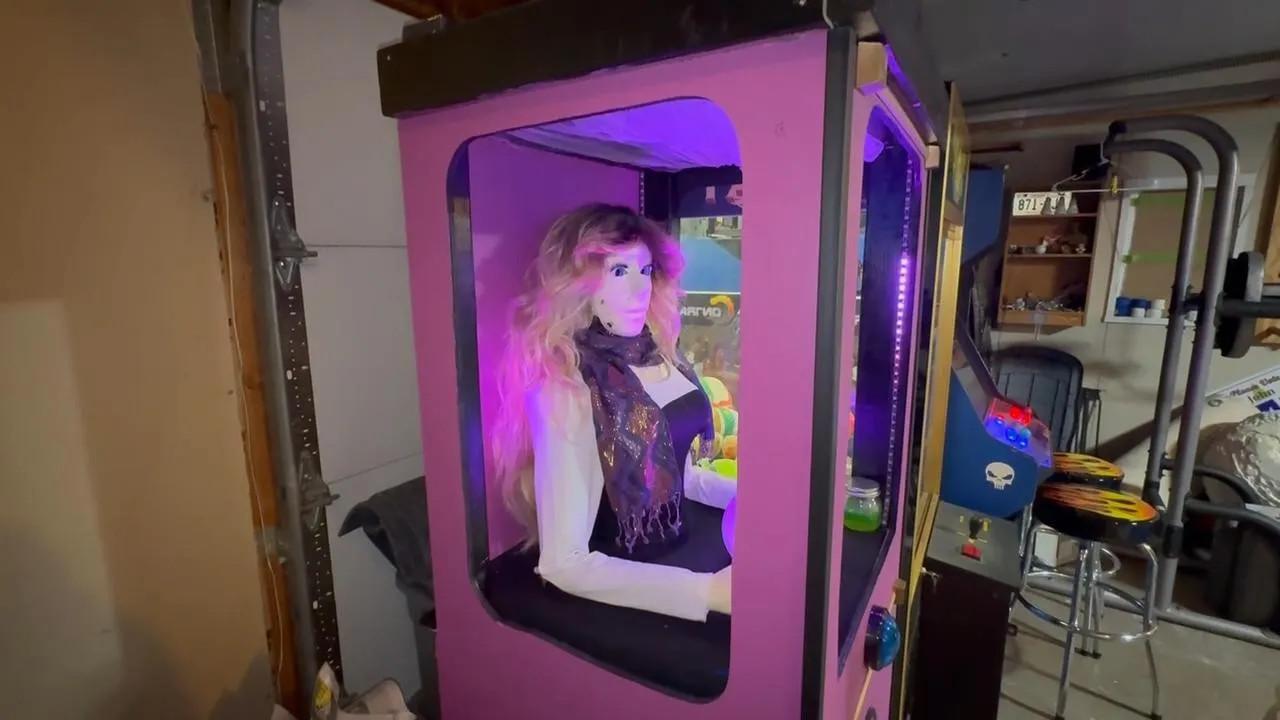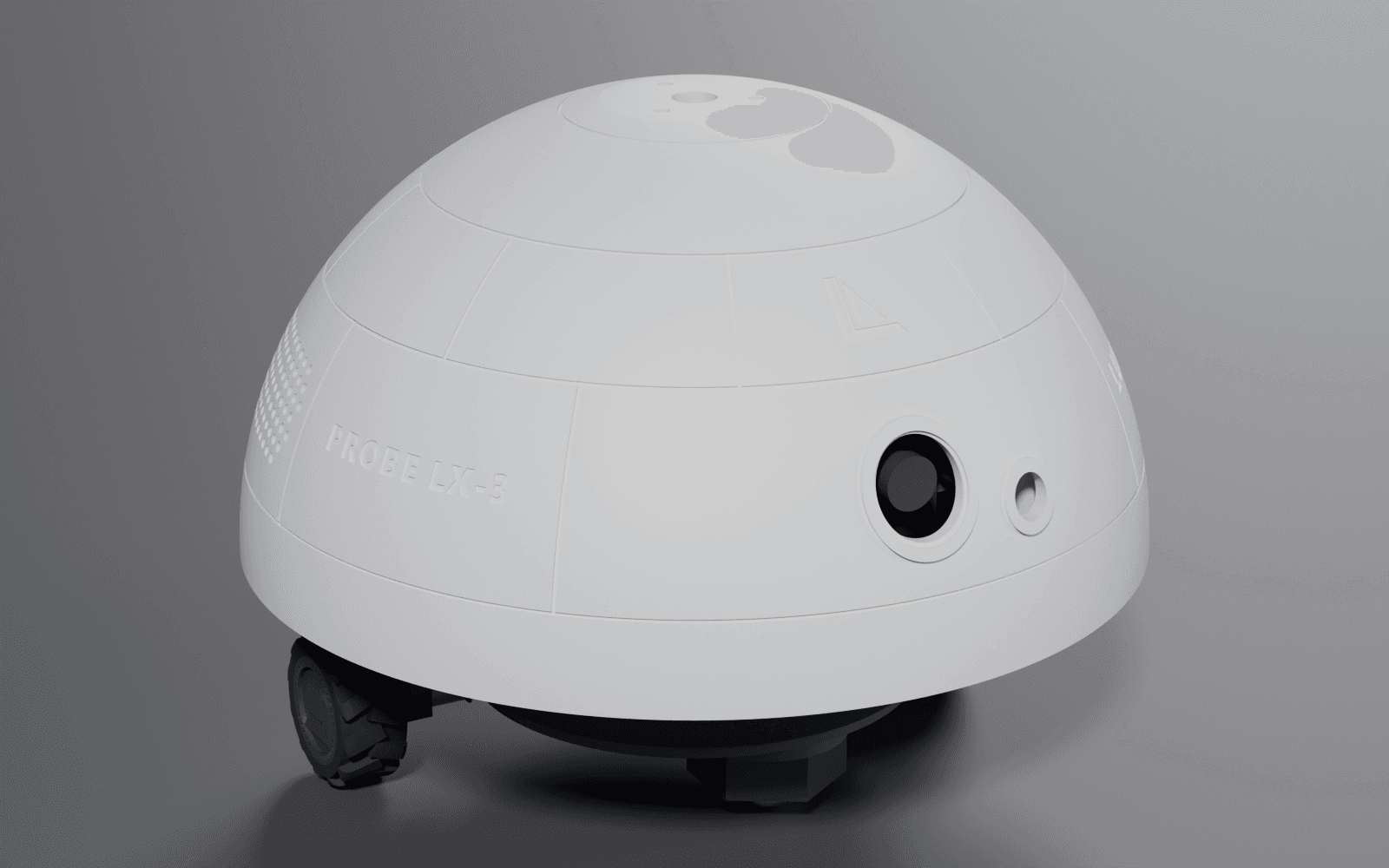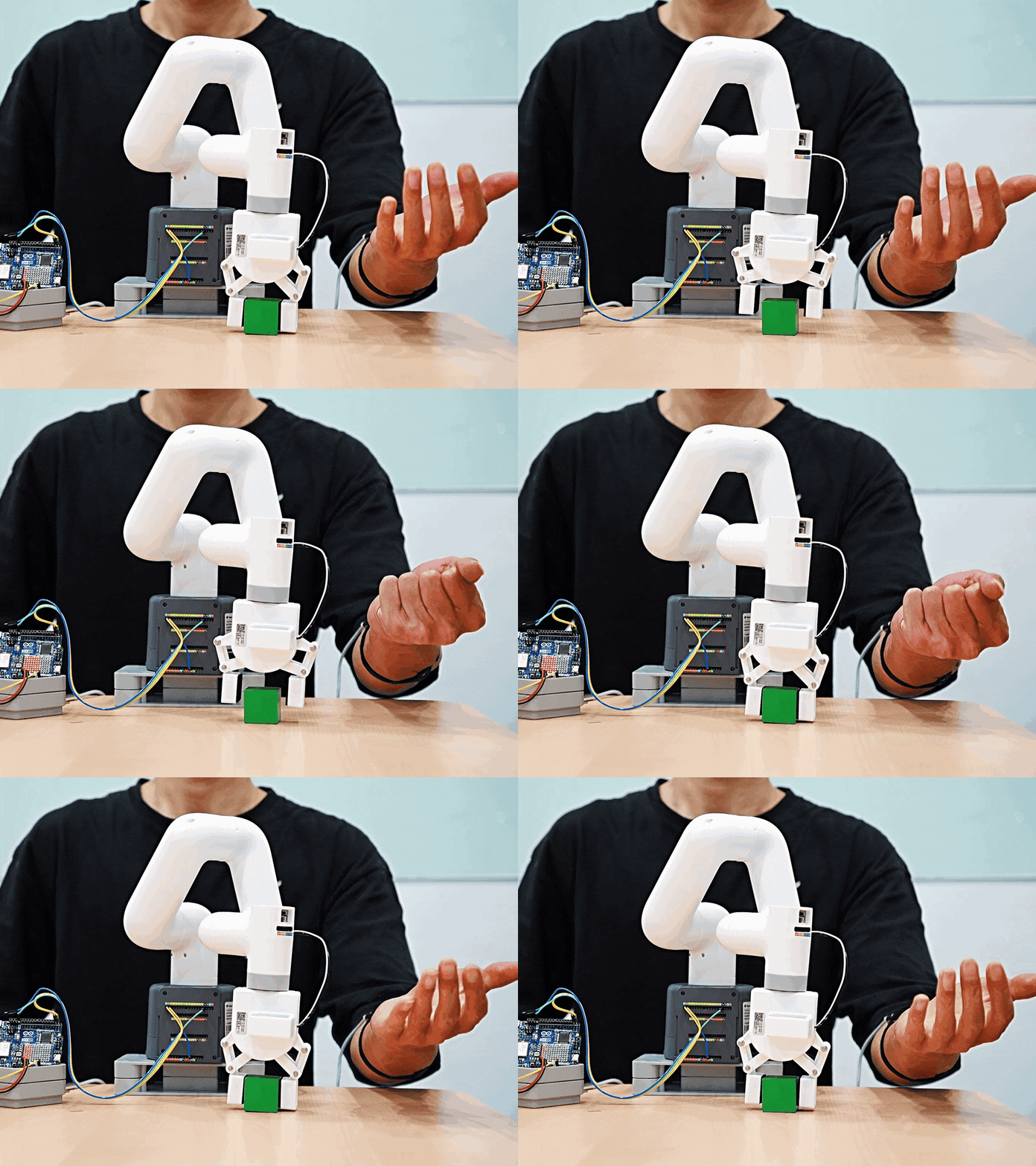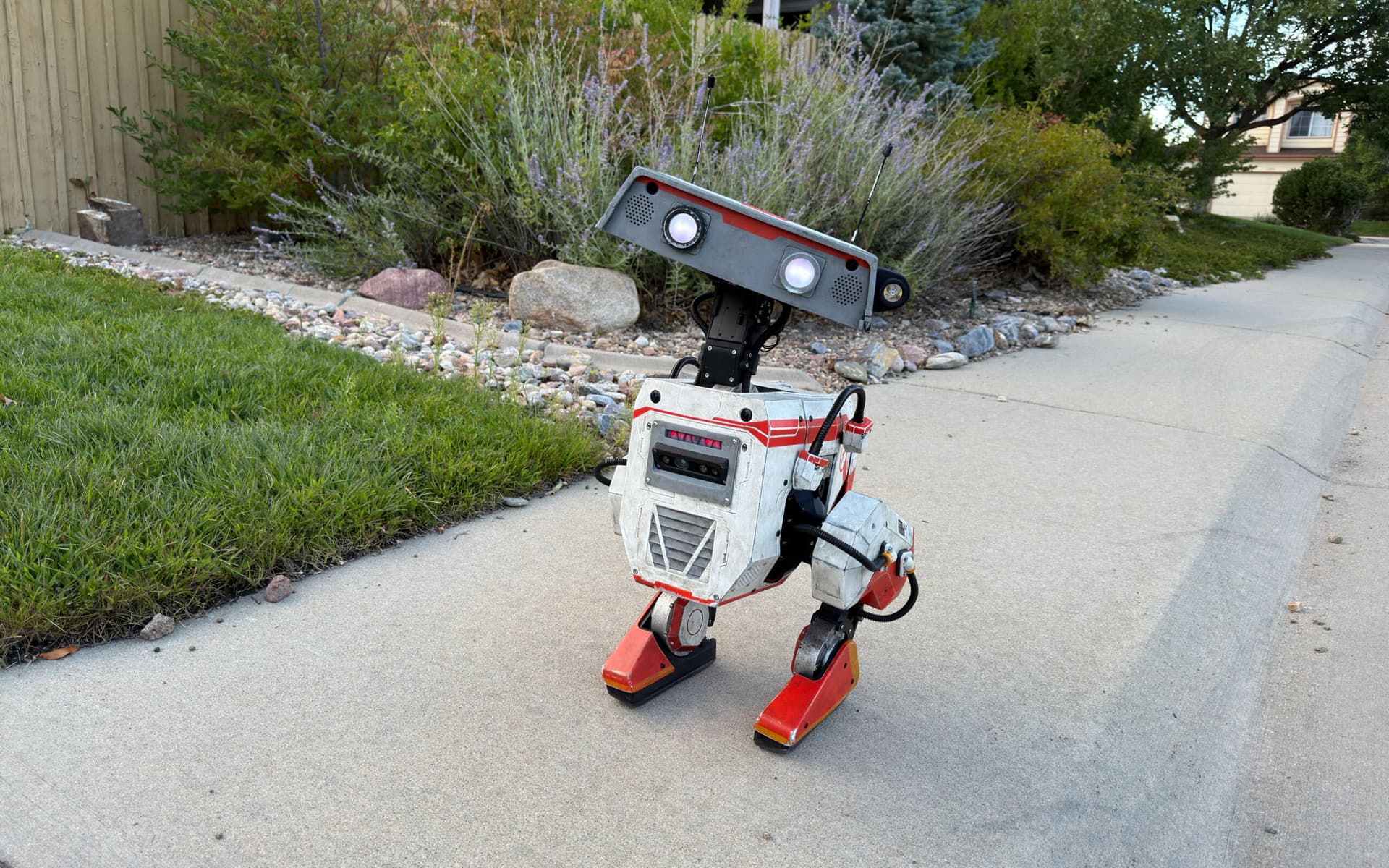
Yes, for small robots. AI coding tools can write the code for servos, motor drivers, sensors, screens and voice on boards like the ESP32 or Raspberry Pi, and desk robots built on kits such as StackChan are well within reach. Walking robots, balancing and anything with large motors still need mechanical skill, tuning and care.
The short answer
A robot is mostly three things: a body, motors and code. AI is very good at the code and helpful with planning the rest. The closer your robot is to off-the-shelf parts (a kit, a servo bracket, a dev board with a screen), the more of it AI can carry. The more it depends on custom mechanics and motion control, the more the work moves to your hands and judgment.
What AI handles well
- Servo and motor code. Moving servos to poses, driving DC motors through a driver board, ramping speed smoothly.
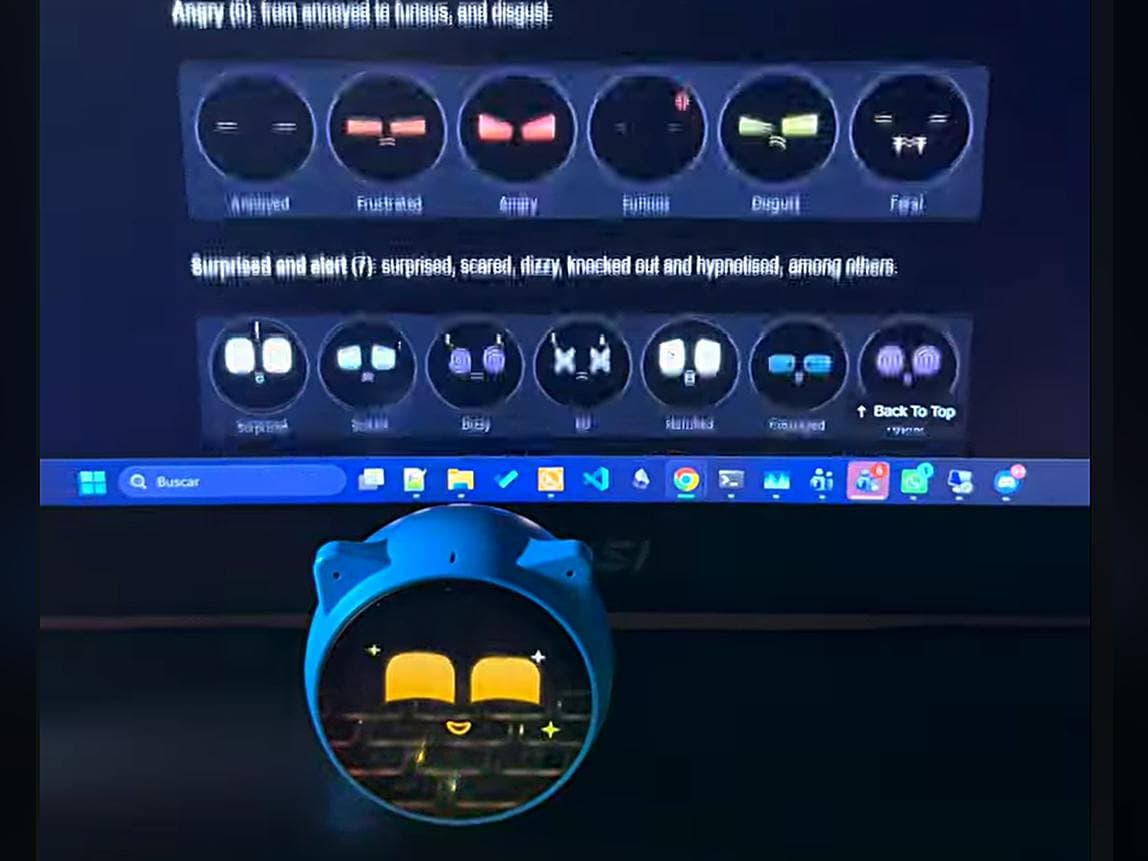
- Faces and personality. Animated eyes on a small screen, expressions, idle animations and sounds. This is why desk robots make such a good first robot.
- Sensors. Distance sensors, IMUs, microphones and cameras, plus the logic that reacts to them.
- Voice and AI chat. Connecting a robot to a speech or chat API over Wi-Fi, or showing what a coding agent is doing.
- Wiring plans. Which pins to use, how to power servos separately from the board, what a motor driver does.
What's still on you
- Power. Servos and motors draw far more current than a USB port supplies. Brownouts and resets are the most common robot bug.
- Mechanics. Gears, linkages, weight, center of gravity and how parts are fastened.
- Tuning. Balancing and walking need control loops tuned on the real robot. AI can explain PID or help train a policy in simulation, but the last step happens on your desk.
- Safety. Large motors pinch fingers, and lithium packs need protection circuits.
Pick the right first robot
- A desk robot with a screen face (StackChan-style kits, M5Stack-based bots). Mostly software, high AI-buildability.
- A two-wheeled rover with a motor driver and a distance sensor. A little wiring, still very doable.
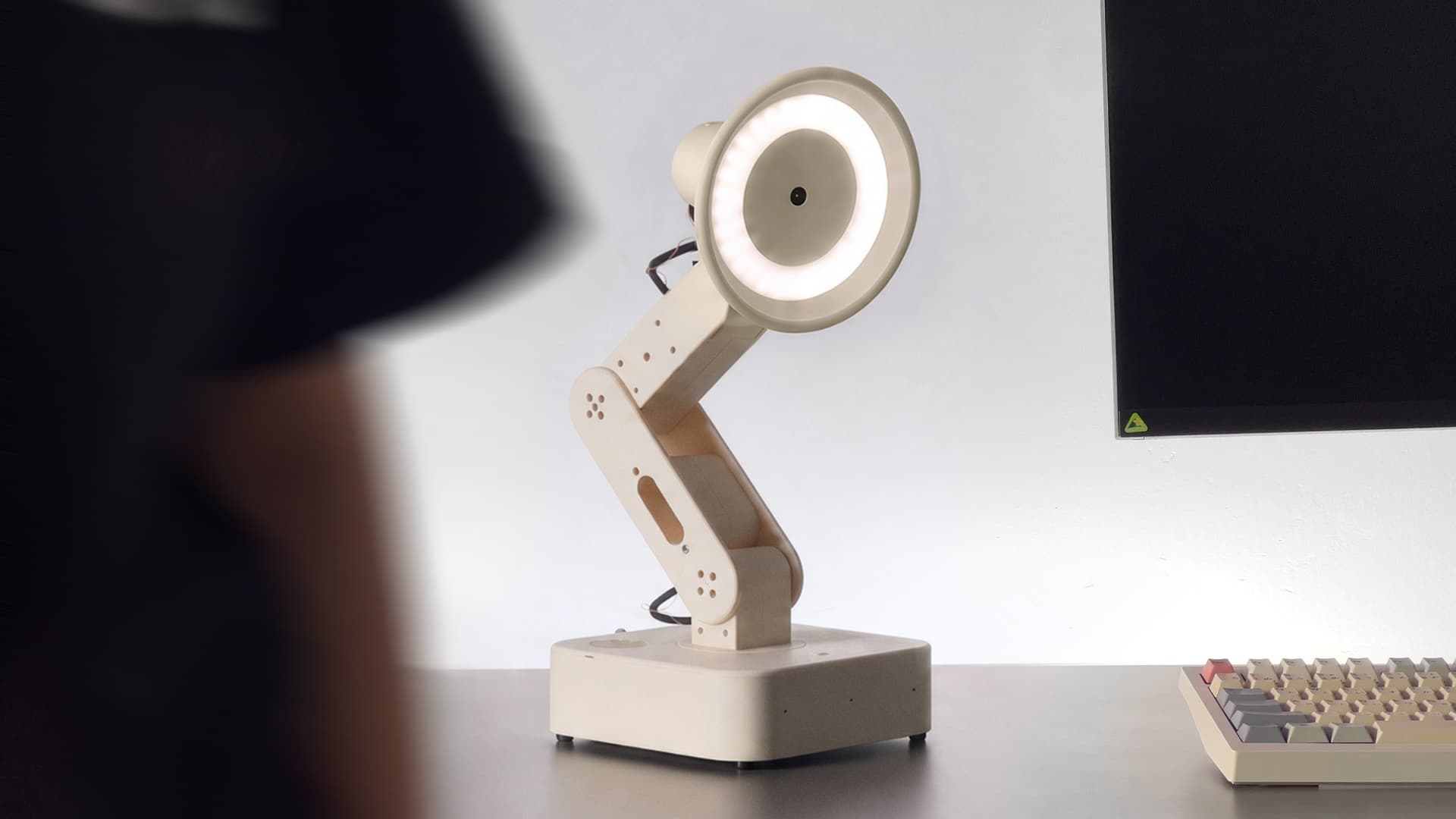
- A servo arm or pan-tilt head. Good for learning poses and power.
- Walking or balancing robots. Save these for later; they're mechanics and tuning projects first.
A way of prompting that works
Tell the AI your board, your servos or motors, your power source and what the robot should do, then ask for one small step at a time: make one servo sweep, then add the second servo, then add the face. Robots fail in surprising ways, so test each part before adding the next.
How Afterware scores robots
On the AI-buildability scale, desk robots on off-the-shelf kits usually score 4, rovers around 3, and walking or humanoid robots 1 or 2. Every robot below shows its score, parts list and a starter prompt. For the bigger picture, see what vibe hardware is.