 Videoby mewtru · X
Hardware · build
A live e-ink airplane scanner, rebuilt for round two
Sparklab's desk gadget tracks overhead flights on a 4.3in e-ink panel, and this version is a second pass at the idea.
Can I build this?Intermediate · AI 4/5 · $50–100
- Difficulty
- Intermediate
- AI-buildability
- 4/5
- Time
- A weekend
- Cost
- $50–100
Mostly firmware and API work, with some wiring and enclosure assembly for the display.
Tools
soldering iron3D printer
Starter prompt
Based on "A live e-ink airplane scanner, rebuilt for round two" on Afterware: https://afterware.xyz/p/a-live-e-ink-airplane-scanner-rebuilt-for-round-two
Write MicroPython firmware for an ESP32-S3 board driving a 4.3in 400x300 e-ink display. On boot, connect to Wi-Fi, poll a public ADS-B flight data API for aircraft within 20 km of a set latitude and longitude, and render the callsign, altitude and heading of the nearest three flights. Refresh every 60 seconds and use partial refresh to limit ghosting.
Estimates based on the original write-up. How AI-buildability is scored. Building with an AI assistant? Connect it to Afterware (free MCP server).
Story
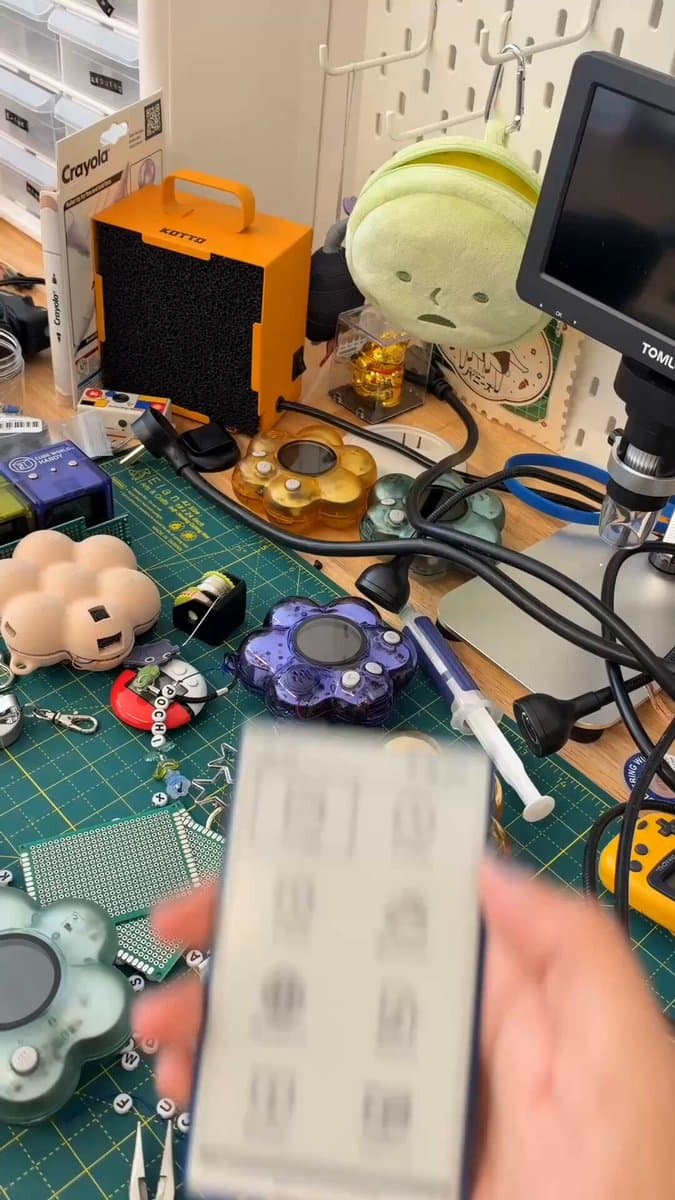
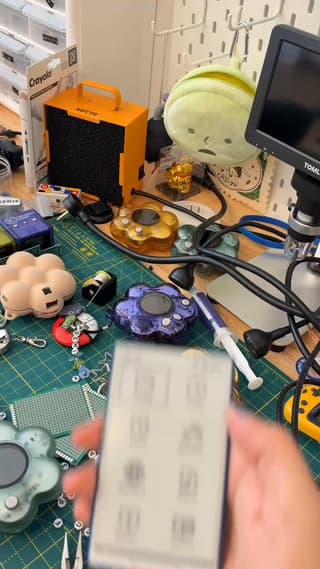
A new version of Sparklab's live e-ink airplane scanner, shown in a short TikTok clip. The post is a single caption with hashtags and no build details, so the way it works is only visible on screen.
The desk unit puts live aircraft data on a 4.3in e-ink display at 400x300, the same panel class listed among the project's parts. E-ink suits a flight board that only needs to refresh now and then, since it holds its image without drawing power.
If you're after a similar desk tracker, an e-ink panel plus a small Wi-Fi microcontroller and a flight-data API is the core of it. The clip is the best look at the new hardware.
Featured in
Build an e-ink Claude Code usage dashboardHow to vibe code your home over Wi-Fi with Claude CodeBest first ESP32 projects for vibe coders (no soldering)Cheap Yellow Display projects you can vibe codeMore like this
More like this