 Videoby imaaiagent · GitHub · LVGL
Interface · build
Tokibot, an e-ink critter fed by coding agents
A small e-paper companion on a Raspberry Pi running a slim Buildroot image. A pixel critter shows what Claude Code and other coding agents are doing, and the tokens they burn are its food.
Build sheet
- Base
- Raspberry Pi, Buildroot image
- Display
- E-paper, pixel critter
- Input
- USB or Wi-Fi from client
- Language
- Python
Can I build this?Intermediate · AI 4/5 · $80–150
- Difficulty
- Intermediate
- AI-buildability
- 4/5
- Time
- A weekend
- Cost
- $80–150
Most of the work is software (client hooks, a Python display service, a Buildroot image), with light hands-on work of flashing a Pi and wiring or fitting an e-paper display.
Parts
Tools
computer for flashing3D printer (optional, for an enclosure)
Starter prompt
Based on "Tokibot, an e-ink critter fed by coding agents" on Afterware: https://afterware.xyz/p/tokibot-an-e-ink-critter-fed-by-coding-agents
Write a Python service for a Raspberry Pi that drives a small e-paper display and shows a pixel critter whose mood changes with the state of a coding agent session. Accept state updates over HTTP from a hook script, and map states such as working, waiting for permission, done and rate limit to different pixel faces. Keep the display refresh slow and avoid flicker by holding each mood for at least 30 seconds.
Estimates based on the original write-up. How AI-buildability is scored. Building with an AI assistant? Connect it to Afterware (free MCP server).
Story
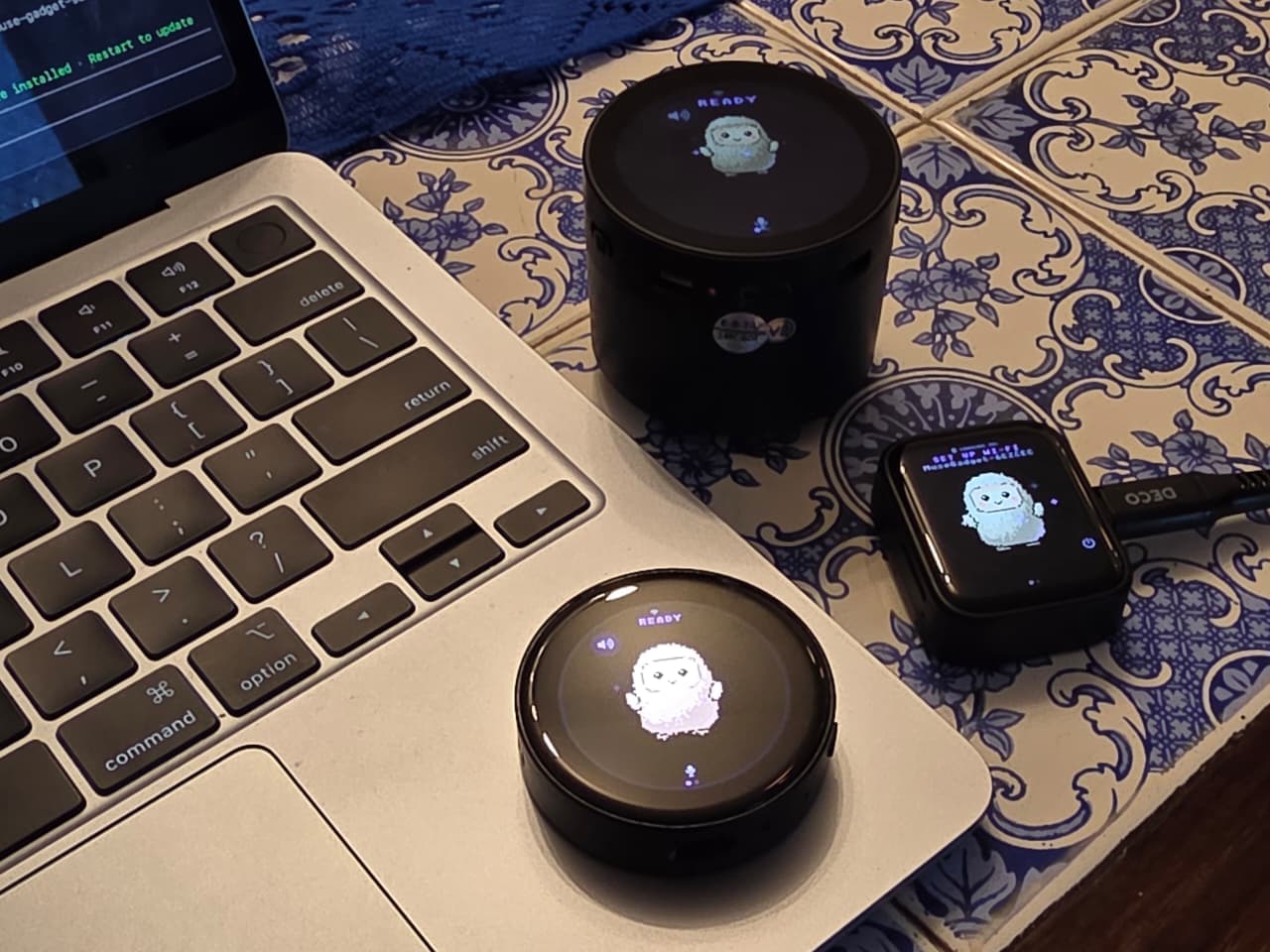
Tokibot is a desk companion built around an e-paper display. A client script hooks into Claude Code's hooks and status line, and sends the session state over USB or Wi-Fi to a Raspberry Pi running the Tokibot service. The critter has a set of moods, from ready and working to permission, waiting, done and rate limit, so you can glance at it to see what your agents are doing.
The image is built with Buildroot rather than Debian. The idea comes from Pwnagotchi, but the system contains only the Tokibot service and the minimum around it. Progress, XP and a token-based food meter are stored on a small writable data partition, so they survive updates of the root filesystem.
The project also includes a leaderboard. The device signs a small score card with an Ed25519 key and posts it to a public highscore page, which the author describes as a game rather than an audit.
Resources · 4
More like this

More like this
Videoby imaaiagent · GitHub · LVGL Interfaceby TigerTag-Project · GitHub · LVGL