 Videoby Tobias Friedly (Tobi) · Hackaday
Interface · mod
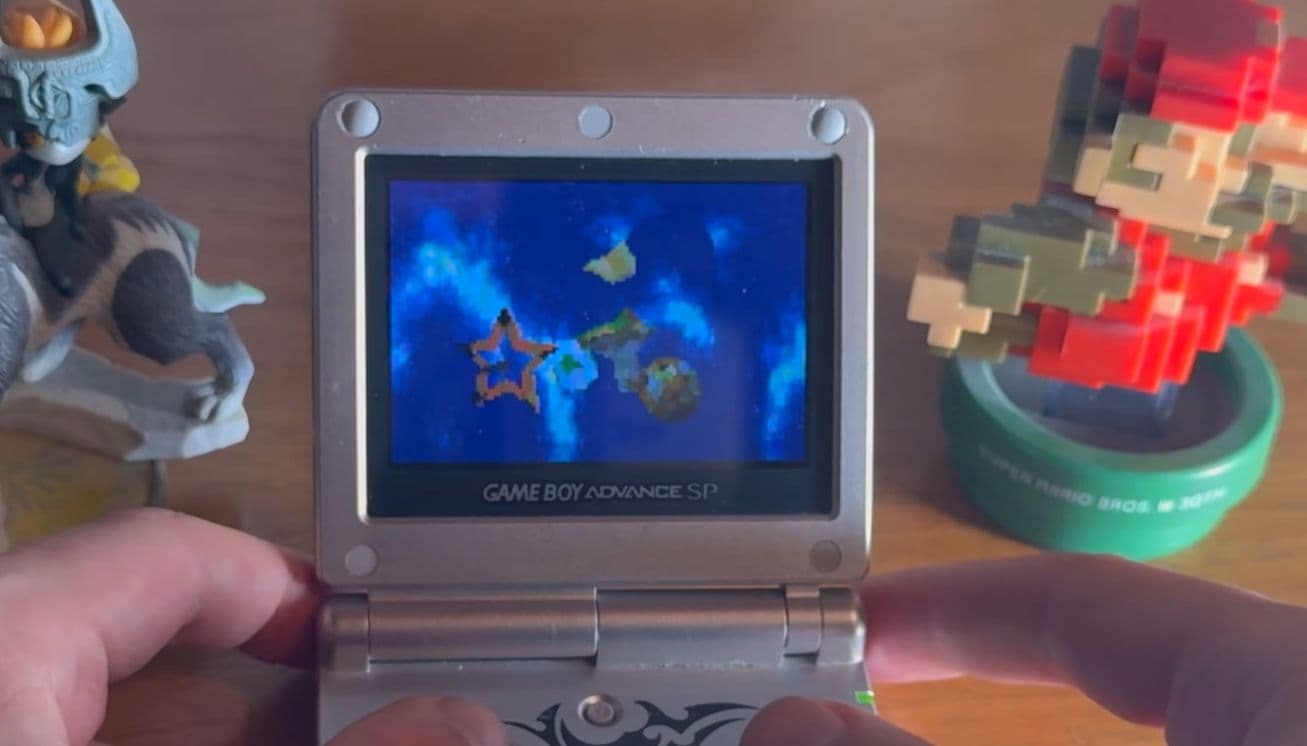
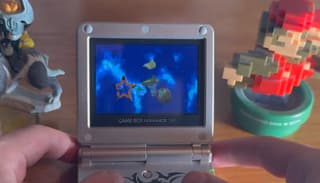
TV turned into a Game Boy Color with a Pokemon home screen
A television rebuilt as a Game Boy Color, with a Pokemon-style town as the home screen. Apps open by walking into buildings, and settings are gated behind gym battles.
Build sheet
- Device page
- Game Boy →
- Base
- Television
- Styling
- Game Boy Color
- Home screen
- Pokemon-style town
- Navigation
- Walk into buildings
Can I build this?Beginner · AI 5/5 · $0
- Difficulty
- Beginner
- AI-buildability
- 5/5
- Time
- A weekend
- Cost
- $0
The core of the project is a custom launcher UI, which is software that AI tools can write, running on a TV you already own.
Tools
soldering iron3D printerhand toolscomputer
Starter prompt
Based on "TV turned into a Game Boy Color with a Pokemon home screen" on Afterware: https://afterware.xyz/p/tv-turned-into-a-game-boy-color-with-a-pokemon-home-screen
Help me build a tile-based town home screen for a small Linux single-board computer driving a TV or HDMI display. Walking the player character into a building should launch the matching app. Use a simple tilemap loaded from a JSON file, and gate a settings menu behind a flag set by a boss battle. Start with the map renderer and input handling.
Estimates based on the original write-up. How AI-buildability is scored. The maker built this with AI tools: more vibe-coded builds. Building with an AI assistant? Connect it to Afterware (free MCP server).
Story
The post is a short announcement with one screenshot-style description. The television is cased in a Game Boy Color style shell and its home screen is a Pokemon-style town. Walking into a building launches an app, and changing a setting requires beating the gym leader first.
The source does not list the hardware inside, the board, the display or the software stack, so the build method is not described here. The interaction model is the interesting part: navigation is a map to explore rather than a grid of icons.
The post credits an AI model in its closing line. That is a comment on the tooling, not a description of the code, so it is not treated as evidence of how the interface was written.
More like this
More like this
Videoby Tobias Friedly (Tobi) · Hackaday Interfaceby yashoncode · GitHub · TV launchers